Healthcare HVAC Infrastructure Renewal: Reducing Risk While Improving Performance

Hospitals are increasingly dependent on HVAC and building infrastructure that has exceeded its intended lifecycle. As systems age, facilities face increasing risk of failures, emergency repairs, and rising energy and maintenance costs.

Healthcare HVAC infrastructure renewal is not simply about replacement. It is a technical, phased, and energy-conscious strategy to reduce risk, maintain compliance, and improve operational resilience without disrupting patient care.

Image of a technician monitoring building equipment with connected technology.

Aging HVAC Infrastructure Increases Risk Across Healthcare Facilities

Many healthcare facilities are operating HVAC systems beyond their intended lifecycle. Over time, this creates compounding challenges, including outdated or undocumented control sequences, unstable ventilation performance, and reliability concerns in airside and waterside systems.

These conditions increase outage risk and make it more difficult to maintain consistent pressure relationships, humidity control, and compliance readiness, especially in critical clinical environments. As failures become more frequent, facilities are often forced into reactive maintenance and unplanned capital spending.

Positioning HVAC infrastructure renewal as a risk‑mitigation and performance initiative allows healthcare leaders to proactively address these challenges while maintaining system uptime and operational stability.


A Phased HVAC Renewal Approach That Maintains Uptime

Effective HVAC infrastructure renewal requires a phased strategy aligned with clinical operations. Rather than disruptive full replacement, systems are assessed, prioritized, and renewed in a way that maintains uptime and supports ongoing patient care.

This approach evaluates airside and waterside systems, controls stability, ventilation performance, and future‑ready designs to ensure improvements are technically sound and operationally feasible. By focusing on reliability and system performance first, facilities can reduce emergency repairs and improve long-term resilience without interrupting care delivery.

A structured, phased renewal roadmap gives facilities teams clarity on where to act first and how to sequence improvements over time.


Energy Efficiency Through System Stabilization

Energy efficiency is achieved by stabilizing HVAC systems, not by chasing isolated upgrades. Correcting control sequences, restoring economizer function, optimizing airflow, and enabling demand-based operation all contribute to reduced energy use while improving reliability.

These improvements extend equipment life, reduce energy use, and support sustainability goals, while also improving ventilation, filtration, and pressure relationships across the facility. Energy optimization becomes a natural outcome of well-functioning systems rather than a separate initiative.


A Clear Path Forward

A focused HVAC infrastructure renewal strategy delivers measurable outcomes:

    • Reduced outage risk
    • Lower energy and operating costs
    • Improved compliance readiness
    • Extended equipment life
    • A clear, capital-aligned planning roadmap

A Hospital HVAC Infrastructure Renewal Assessment provides system evaluation, risk-based prioritization, a phased renewal roadmap, and identification of energy efficiency opportunities—helping healthcare organizations modernize infrastructure while protecting patient care.

Ready to identify today’s risks and address them with a phased, strategic approach?

Related Blogs

Brady Parts Rebrands to Trane Supply

Brady Parts Rebrands to Trane Supply

Leaning into our strong 59-year relationship with Trane U.S. Inc., Brady Parts is pleased to announce that they have agreed to extend the Trane Supply representation in North Carolina with the rebranding of the Brady Parts stores.
3 Ways Colleges are Creating More Prosperous Communities

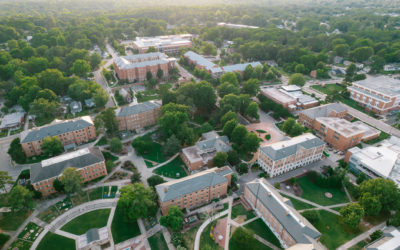
3 Ways Colleges are Creating More Prosperous Communities

School leaders across the U.S. work to enrich local communities through career and personal development training programs. As COVID-19 has disproportionately impacted our already marginalized communities — both in terms of illness and death, as well as job and wage loss, career-based education accessible to all students has never been more important.
Brady Sponsors College Training Facility to Further the Next Generation

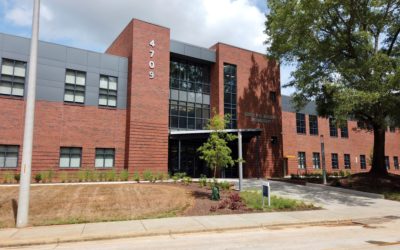
Brady Sponsors College Training Facility to Further the Next Generation

On June 21st, 2022, Brady associates joined sponsors and guests for the first Open House for the Center for Building Technologies facility at Wake Technical Community College in Raleigh, NC. The educational facility is home to classrooms, training areas, and some of the most advanced methods and tools in the industry.