
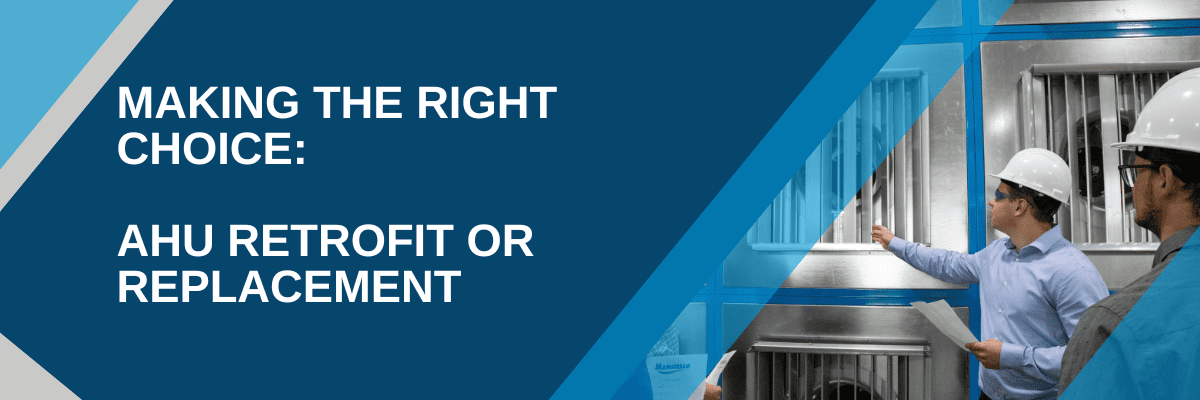
Global supply chain disruptions have turned nearly every industry on its head, pushing lead times to weeks, months, or even years. The HVAC industry is not immune to these challenges and many air handling unit suppliers are quoting lead times of 40-50 weeks for replacement AHUs.
Fortunately, replacement is not the only solution. Retrofitting aging AHUs with
new EC fan array systems can provide
better solutions faster and cheaper.
Mainstream designs and manufactures
EC fan arrays for retrofit applications. Regardless of the age of your AHU, Mainstream has the fan array system to meet and exceed your requirements.
Don’t let supply chain
disruptions negatively impact your
business. Learn more about our
fan arrays systems and get in
touch to get your AHU running at
fully capacity again, fast.
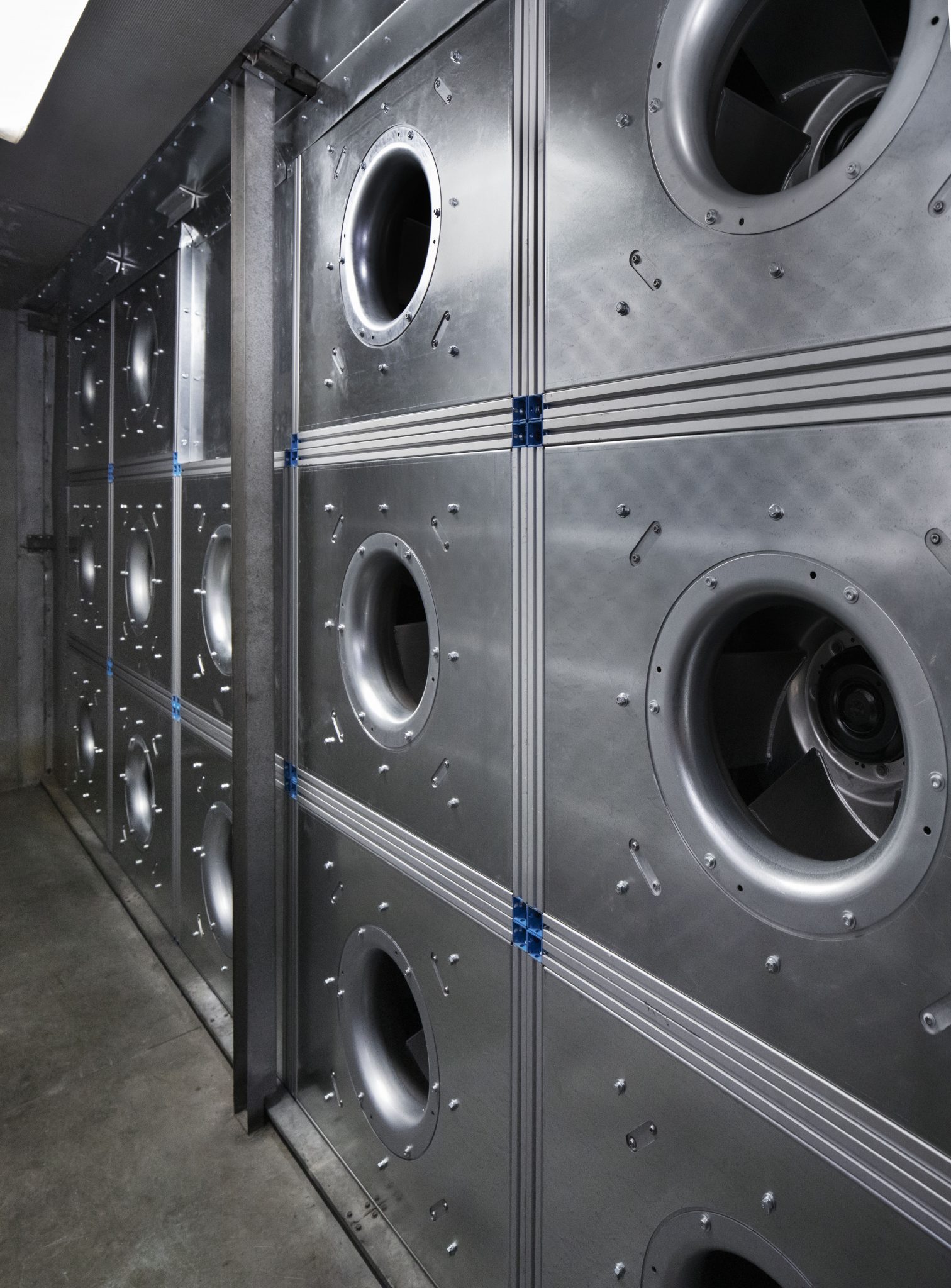
We are proud to be an authorized Mainstream representative. Mainstream, a top manufacturer of EC Fan Arrays, is known for its innovative use of EC motor technologies and fan array configurations in their products. Our partnership with Mainstream allows us to offer the latest in energy-efficient AHU solutions.
If you’re looking to restore your AHU to full capacity, we invite you to learn more about how Mainstream and Brady can help. Together, we can provide you with the best possible HVAC system that meets your needs and exceeds your expectations.
Related Blogs

Brady Dedicates Second Habitat Home in Greensboro
On Saturday, May 14th, Brady Associates and key community leaders gathered to dedicate the second Habitat for Humanity House sponsored by late founder and chairman Don Brady and his wife, Mary Gay.

Contingency Planning: Essential for Business Continuity
Rare but impactful events such as power outages, natural disasters, or mechanical failures can wreak havoc on your facility and business. Facing such an emergency without a contingency plan can result in decreased production or service, lost customers and revenue, and loss of confidence by customers, investors, and other stakeholders. In fact, the stakes can be so high that it’s not uncommon for insurance companies to require a formal contingency plan to qualify for business continuity coverage.
The Evolution of Changeover Systems
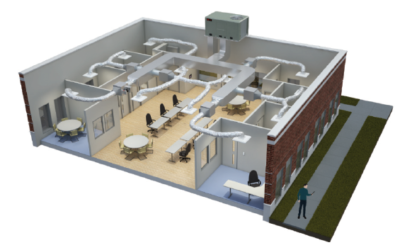
Many light commercial buildings have traditionally used several single-zone, packaged rooftop units with thermostats—often because better systems were thought to be too complicated and/or too expensive to install. If “zoning” was desired in these buildings, a changeover bypass system was traditionally used; this system allowed a single rooftop unit to provide independent temperature control to several zones. However, it used a constant-speed supply fan and a centralized bypass damper, resulting in higher energy use and sound levels than other system alternatives.