
We are thrilled to announce that Brady has been named a finalist in the Best Places to Work by Triad Business Journal for the fourth year in a row!
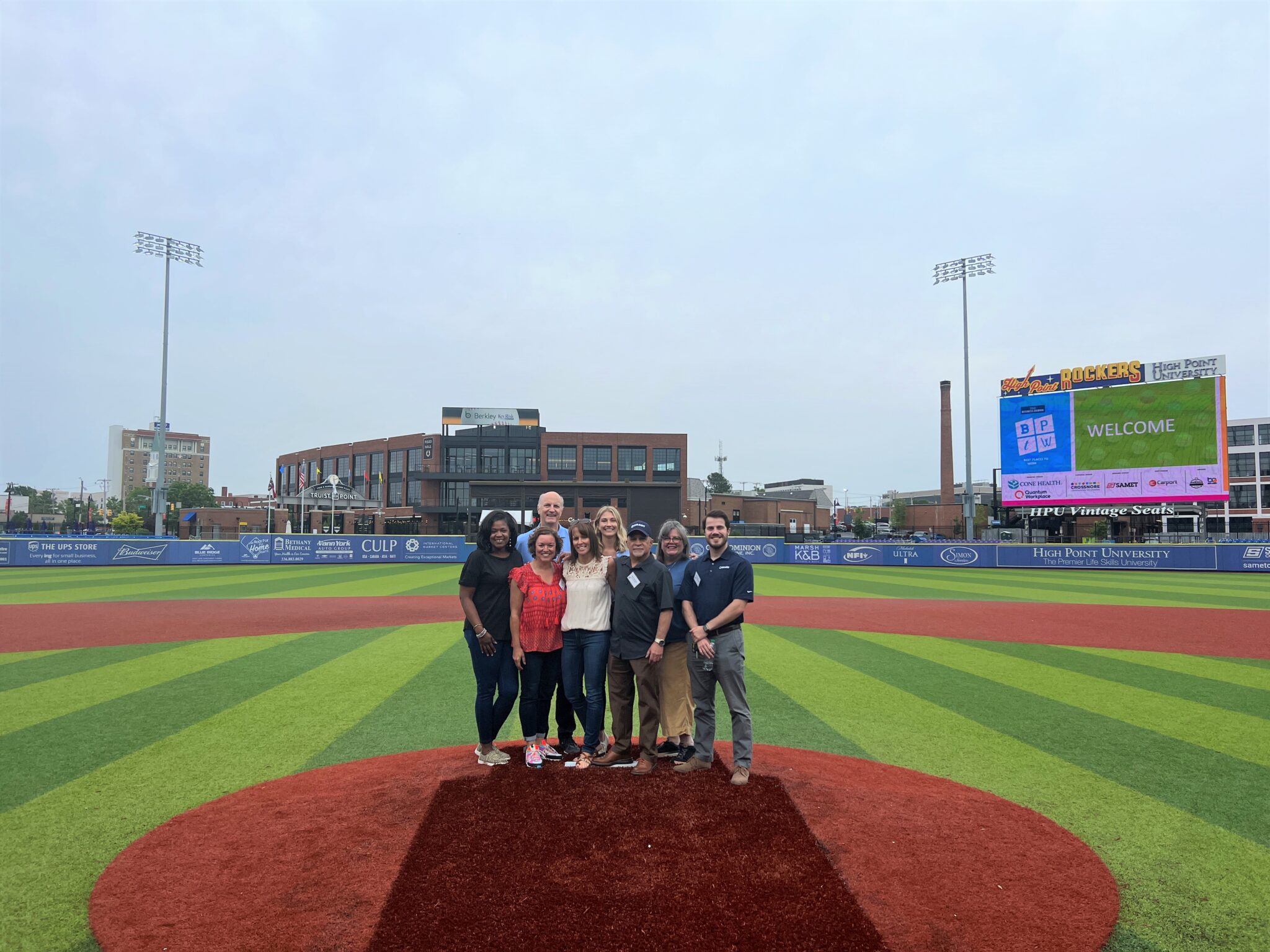
Our team had a blast celebrating at the High Point Rockers Stadium on Thursday, May 18th, where we were recognized for our commitment to our Associates’ success, well-being, and professional development.
At Brady, we believe that investing in our people is key to our success. We strive to provide a supportive and inclusive work environment where our Associates can grow, learn, and thrive. We offer a range of professional development opportunities, from training and mentorship programs to tuition reimbursement and leadership development. We also offer a comprehensive benefits package, including health and wellness programs, a 401(k) plan, and paid time off.
We are proud to be recognized as a best place to work for the fourth year in a row. This recognition is a testament to our amazing team who continue to make Brady a great place to work. Thank you for your dedication and hard work!
If you’re interested in joining our team, we invite you to check out our careers page for current job openings.

Related Blogs
Brady Dedicates Second Habitat Home in Greensboro
On Saturday, May 14th, Brady Associates and key community leaders gathered to dedicate the second Habitat for Humanity House sponsored by late founder and chairman Don Brady and his wife, Mary Gay.

Contingency Planning: Essential for Business Continuity
Rare but impactful events such as power outages, natural disasters, or mechanical failures can wreak havoc on your facility and business. Facing such an emergency without a contingency plan can result in decreased production or service, lost customers and revenue, and loss of confidence by customers, investors, and other stakeholders. In fact, the stakes can be so high that it’s not uncommon for insurance companies to require a formal contingency plan to qualify for business continuity coverage.
The Evolution of Changeover Systems
Many light commercial buildings have traditionally used several single-zone, packaged rooftop units with thermostats—often because better systems were thought to be too complicated and/or too expensive to install. If “zoning” was desired in these buildings, a changeover bypass system was traditionally used; this system allowed a single rooftop unit to provide independent temperature control to several zones. However, it used a constant-speed supply fan and a centralized bypass damper, resulting in higher energy use and sound levels than other system alternatives.