

A well-crafted contingency plan for your HVAC processes is essential, regardless of whether an outage is caused by a natural disaster, facility distress, or equipment failure.
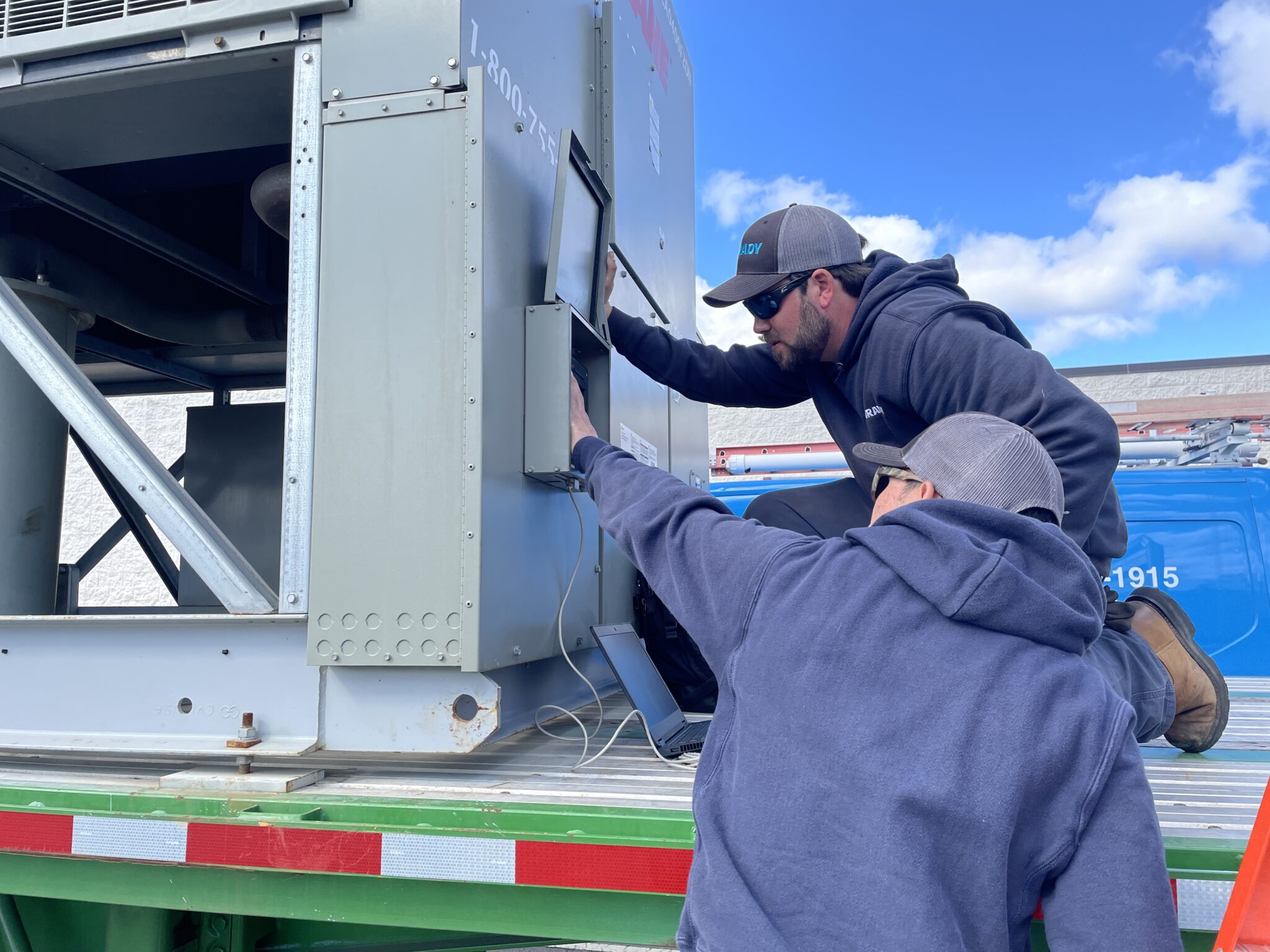
In today’s unpredictable business landscape, it is crucial to have a well-designed contingency plan for your HVAC processes. In fact, some insurance carriers even require a formal plan as a condition for business continuity coverage. By thoroughly assessing and preparing for emergencies, you can effectively mitigate risks and ensure that you have the necessary backup systems and strategies in place to respond at a moment’s notice.
At Brady, we understand the importance of collaboration in creating a comprehensive solution that safeguards your processes, people, and profits. With our expertise, we can assist you in establishing a tailored contingency plan that not only protects your business but also brings you peace of mind. Together, let’s take these steps to fortify your operations and ensure seamless continuity.
Attaining Peace-of-Mind with Brady Rental Experts in 10 Easy Steps
Step 1 – Analyzing Financial Risks
Begin the contingency process by assessing the functional areas of your facility, the reliance on HVAC and power equipment, and the potential impacts of any loss. Understanding the significance of these elements and quantifying their financial consequences helps determine areas that need consideration.
Step 2 – Evaluating Facility Risks
Identify the possible causes of interruptions, even those that may not be obvious, and rank them based on severity, cost impact, probability of occurrence, and system downtime.
Step 3 – Identifying Equipment
Work with your dedicated Brady Rental Services Account Manager to document all HVAC and power system equipment, including their operating conditions. This step often reveals system weaknesses that should be addressed prior to implementing the emergency plan.
Step 4 – Prioritizing
Evaluate your critical facility loads and prioritize essential operations based on their financial implications. Discuss load shedding or load prioritization measures to reduce the required capacity. For example, certain areas may operate with higher temperatures temporarily while others are shut down.
Step 5 – Connecting Systems
Carefully plan and establish connections to save time and costs during an emergency. Choose easily accessible locations that require minimal temporary installation material. Identify any necessary support services, such as forklifts or mechanical contractors.
Step 6 – Ensuring Power Availability
Document available voltage(s) and amperage as it may be necessary to provide additional power through a transformer or generator. Even if the existing power supply is unaffected, temporary units may require more power than the existing setup.
Step 7 – Establishing Electrical Connections
Determine the location of temporary electrical connections, whether using existing electrical service or installing new electrical service.
Step 8 – Selecting Temporary Equipment Locations
Consider important factors such as safety, security, and ease of placement when determining the location of temporary equipment. Additionally, account for equipment clearances, structural loads, ground firmness, noise, generator emissions, and other relevant factors to minimize disruptions to normal operations.
Step 9 – Creating the Plan
Your Brady Rental Services Account Manager will provide a written plan proposal that includes recommendations for temporary equipment solutions, total required investment, and detailed roles and responsibilities for internal and external resources. The core of the plan can often be developed shortly after an on-site visit.
Step 10 – Implementation and Review
To expedite the ordering and delivery of a temporary HVAC/power system during an emergency, ensure that all necessary documents, such as purchase orders and rental agreements, are completed. Also, make any recommended building modifications. After operational training, conduct annual reviews of the plan with key personnel or whenever relevant facility changes occur.
Don’t let sudden equipment failure disrupt your building’s comfort or critical processes. With Brady’s portable HVAC equipment, you can ensure a rapid response and a comprehensive solution in times of emergency. Our consultative approach means we work closely with you to understand your specific needs and deliver the right rental solutions that can be quickly deployed.
Related Blogs

Brady Sponsors College Training Facility to Further the Next Generation
On June 21st, 2022, Brady associates joined sponsors and guests for the first Open House for the Center for Building Technologies facility at Wake Technical Community College in Raleigh, NC. The educational facility is home to classrooms, training areas, and some of the most advanced methods and tools in the industry.
Find the Solution for your Building IAQ Demands, While Meeting the Bottom Line
Find the Solution for your Building IAQ Demands, While Meeting the Bottom Line Since COVID-19, the...
Brady Integrated Security expands partnership with LenelS2 to include OnGuard System
Brady Integrated Security and LenelS2 expanded their strategic partnership to provide access to Lenel’s OnGuard® access control system. The system offers comprehensive physical access control systems applicable to Brady customers of all sizes.